Snow squall warning issued for Livingston and Oakland counties, bringing brief whiteouts and hazardous travel Monday midday
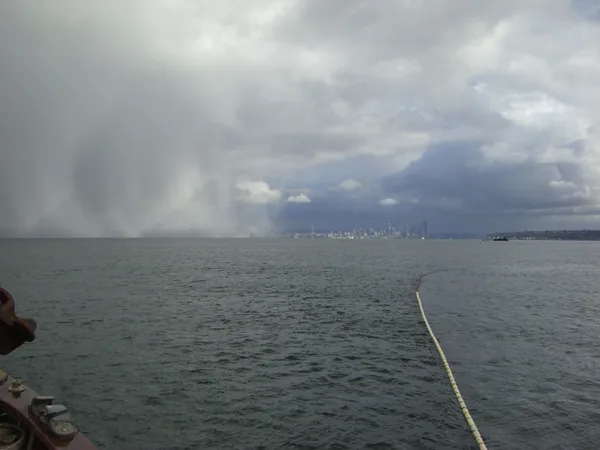
Short-duration burst of heavy snow prompts warning in Southeast Michigan
A snow squall warning was issued for parts of Southeast Michigan on a Monday around midday, covering Livingston and Oakland counties among several others in the region. The warning period was initially set to expire at 11:15 a.m., then extended into the early afternoon, with some counties remaining under the warning until 12:15 p.m. and 12:30 p.m.
Snow squalls are distinct from longer-running winter storms: they can intensify quickly, deliver a sudden burst of heavy snow and gusty winds, and sharply reduce visibility over a short period of time. The rapid change in conditions can turn dry or merely wet pavement into slick travel lanes within minutes, particularly when wind-driven snow lowers visibility to near-whiteout levels.
Where the squall was observed and how it was moving
During the event, the snow squall was tracked along a line extending from near Flushing through areas including Clarkston and Rochester, moving southeast at about 35 mph. Livingston and Oakland counties were included in the warning area as the squall advanced through the region.
Travel impacts are the primary concern
Transportation risks typically drive snow squall warnings. The most acute hazards come from rapidly deteriorating visibility and a fast-forming coating of snow and ice that can lead to chain-reaction crashes, especially on high-speed roads.
- Visibility can fall quickly, at times to near-whiteout conditions.
- Road traction may change abruptly, increasing braking distance.
- Gusty winds can create blowing and drifting snow, further reducing sightlines.
What drivers can do during a snow squall
Public safety guidance for snow squalls centers on reducing speed and avoiding sudden maneuvers. If conditions rapidly worsen and it is safe to do so, drivers are advised to move off the roadway to a secure location until visibility improves. Using low-beam headlights helps make vehicles more visible to others in heavy snow. Motorists are also advised to allow extra space between vehicles and to anticipate abrupt slowdowns ahead.
Snow squalls can produce a rapid drop in visibility and a quick buildup of slippery conditions, increasing the risk of crashes and pileups.
The warning ultimately expired after the midday extensions. While the most intense conditions in a snow squall are typically brief, the aftereffects—slick pavement and reduced visibility in lingering snow showers—can persist beyond the official end time.