Plans advance for East Oakland shoreline park access, habitat restoration, and climate resilience near MLK Shoreline
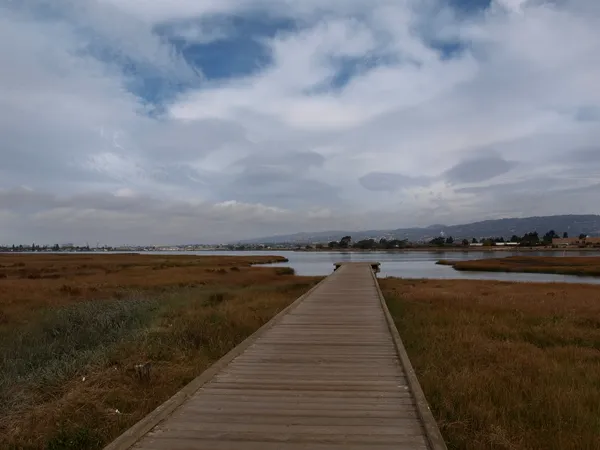
A long-disconnected waterfront is becoming the focus of new public access and restoration planning
Work underway along the Martin Luther King Jr. Regional Shoreline is increasingly framing the East Oakland waterfront as both a nature destination and an environmental justice priority, as agencies and community groups pursue projects that pair habitat restoration with expanded public access.
The MLK Jr. Regional Shoreline sits on San Leandro Bay and includes marsh and shoreline habitat adjacent to neighborhoods that have historically had limited, practical access to the waterfront. Recent planning has focused on reducing barriers created by industrial land uses and major road corridors while improving ecological conditions in tidal and near-tidal areas.
Access remains the central constraint for nearby residents
City-led planning has already examined how East Oakland residents in inland ZIP codes could reach the MLK shoreline more reliably, including options such as a fare-free, zero-emissions transit link and related “clean mobility” connections along major corridors serving deep East Oakland. The stated intent is to address gaps in shoreline access while also linking riders to other daily destinations, including services and transit nodes.
Separately, shoreline adaptation planning for the Oakland-Alameda estuary area has identified shoreline and transportation connections as key vulnerabilities and opportunities as sea level rise and groundwater impacts intensify over time. That work has emphasized strategies that can improve shoreline access while also reducing flood exposure and strengthening habitat along the bay edge.
Habitat restoration efforts are being structured around workforce and youth programming
Alongside access planning, restoration initiatives have been organized to train youth in shoreline ecology, environmental justice concepts, and hands-on habitat work, including invasive plant removal, shoreline cleanups, and native planting. Projects tied to MLK Jr. Shoreline locations are also integrating structured curricula and supervised field activity aimed at sustaining long-term stewardship.
Volunteer programs at the MLK shoreline and near Arrowhead Marsh have continued to focus on removing trash and invasive vegetation and establishing native plants, reflecting the ongoing maintenance demands of urban-adjacent shoreline habitat.
Climate adaptation and park design are converging on nature-based shoreline protection
In parts of Oakland’s waterfront park system, nature-based approaches are being incorporated into planned improvements, including shoreline protection concepts designed to maintain public access as conditions change. Planning documents for estuary-fronting park projects have described approaches such as regrading shore edges and using engineered features that support habitat while protecting trails and gathering areas.
What to watch as projects move from planning to construction
- Whether new mobility or trail connections materially reduce travel time and cost barriers for nearby neighborhoods.
- How shoreline restoration work is maintained over multiple years, including staffing, funding continuity, and invasive-species control.
- How adaptation measures handle sea level rise and groundwater impacts without reducing public access or displacing recreation uses.
Across the East Oakland shoreline, the immediate public benefits being pursued are consistent: safer, more practical access to the bay, ecological restoration in marsh-adjacent areas, and shoreline protection measures that anticipate worsening climate impacts.
For East Oakland, the outcome will be measured less by announcements than by whether residents can more easily reach, use, and help steward a healthier shoreline over time.