Oakland’s interim police chief outlines staffing shortages, crime trends, and federal oversight priorities for 2026
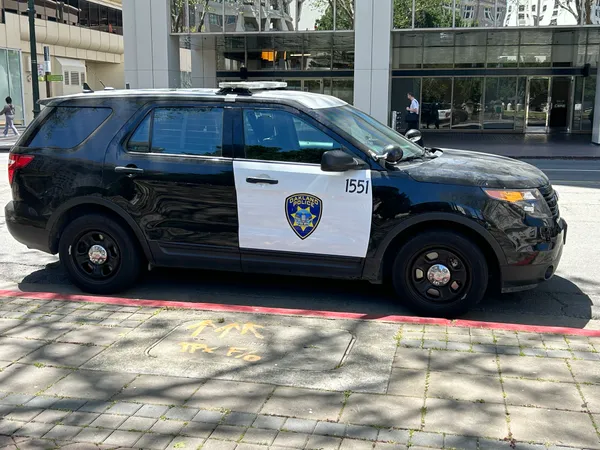
Leadership transition amid staffing constraints
Oakland’s police department entered 2026 under interim leadership after Assistant Chief James Beere was appointed to run the department effective December 6, 2025, following the resignation of Chief Floyd Mitchell effective December 5, 2025. City leadership set the interim appointment within a process that anticipates a separate search for a permanent chief, while also establishing a new constitutional policing administrator role intended to support long-term compliance and accountability functions.
Beere, a long-serving member of the department, has taken over at a time when staffing levels and workload distribution remain central operational challenges. A city-commissioned staffing analysis released in 2025 concluded the department needs a substantially larger sworn force than its then-current staffing levels to meet service demands, investigate crimes, and sustain proactive policing.
Crime trends: declines reported, gun violence remains a focus
City and police officials have publicly described 2025 as a year with notable declines in reported crime in several major categories, including a lower homicide total compared with 2024. At the same time, officials have emphasized that gun violence continues to drive public safety concerns, shaping deployment decisions and interagency strategies.
Oakland has paired enforcement tactics with violence-prevention approaches, including work led by the city’s Department of Violence Prevention, which was created in 2017. Officials have attributed part of the city’s violence reduction to coordination between police, community-based interventions, and other city services.
Federal oversight and constitutional policing
Oakland police remain under federal court oversight through the Negotiated Settlement Agreement, a reform framework in place since 2003. Court reviews continue to assess whether the department can meet requirements for full and sustained compliance. Recent court proceedings have signaled momentum but have not ended oversight.
In describing internal accountability structures, department leadership has highlighted organizational changes affecting investigative and discipline functions, including reporting lines within Internal Affairs. Separately, the civilian Police Commission has maintained a formal role in oversight and governance as required by Oakland’s local framework.
Recruitment pipeline and near-term operational plans
To address persistent staffing pressures, Oakland has taken steps to strengthen the hiring pipeline. The city has moved to restore a police cadet program and has continued academy training. These measures are designed to expand recruitment channels while maintaining required training standards.
- Rebuilding staffing capacity through academies and cadet pathways
- Maintaining investigative capacity amid competing service demands
- Meeting federal oversight requirements while sustaining operational performance
Oakland’s 2026 policing agenda is being shaped simultaneously by recruitment needs, ongoing federal oversight obligations, and the city’s stated goal of sustaining recent reductions in violence.
The coming months are expected to test whether Oakland can expand staffing, maintain crime reductions, and demonstrate the sustained compliance required to move beyond federal supervision, while city leadership proceeds with a longer-term selection process for a permanent police chief.