Oakland’s former Holy Names University campus slated for 165 single-family homes amid regional college closures
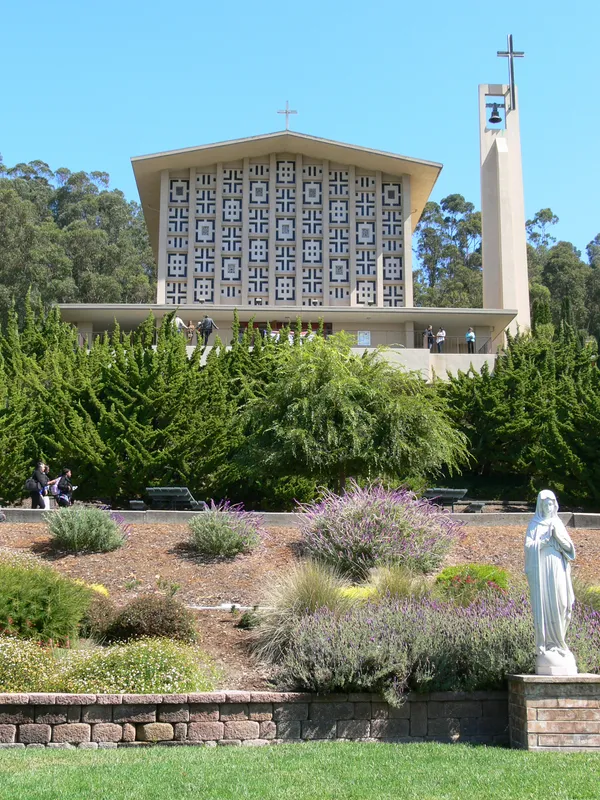
A 60-acre East Oakland property shifts from higher education to housing
A shuttered college campus in East Oakland is being repositioned for residential development after efforts to keep the site in educational use did not produce a deal. The former Holy Names University property—roughly 60 acres on a hillside setting—has been acquired by a real estate investment firm that now plans to build a neighborhood of single-family homes while preserving key historic campus elements and maintaining large areas of open space.
The university ceased operations after prolonged financial strain, leaving a sizable institutional property vacant at a time when multiple Bay Area colleges and arts institutions have faced closures, consolidations, or major real estate restructuring. The site changed hands in 2023 after a loan default led to a foreclosure timeline; the buyer purchased the campus ahead of the scheduled foreclosure and subsequently explored options to bring in another educational operator.
Development outline: home sizes, preserved buildings, and open space
The current plan calls for approximately 165 single-family houses. Early concept materials describe homes generally ranging from about 1,800 to 2,500 square feet for much of the development, with larger homes—up to about 3,000 square feet—proposed for steeper hillside areas. About half of the property is expected to remain as open space, with trails and retained natural features.
Several campus landmarks are slated for preservation and adaptive reuse. Plans describe keeping the chapel and campus quad as organizing features for a portion of the neighborhood, along with retaining additional prominent structures, including a belltower and a large theater space intended for future community-oriented use.
- Proposed homes: about 165 single-family units
- Site area: about 60 acres
- Open space: roughly half of the property in concept plans
- Preservation: chapel/quad and other signature structures targeted for reuse
Approval pathway and community process
The project is expected to proceed through Oakland’s standard planning and entitlement process, including community engagement. Concept plans anticipate a staged approach in which design refinement, environmental review (as applicable), and city approvals precede construction timelines. Because the site is large and includes both developed campus areas and steep natural terrain, the final plan will likely address circulation, wildfire and hillside safety considerations, infrastructure needs, and public access to open-space areas.
For Oakland, the proposal represents one of the larger single-family subdivisions discussed in recent years—an uncommon development type in a city where many housing proposals emphasize multifamily buildings near commercial corridors and transit.
Broader context: institutional properties increasingly repurposed
The Holy Names proposal arrives amid a broader pattern across the Bay Area in which financially stressed colleges and specialized schools have sold or repurposed campuses. In Oakland alone, other former educational sites have been approved or considered for housing, reflecting both the region’s housing demand and the financial pressures facing smaller institutions. The conversion of a closed campus into housing adds new questions for city leaders and nearby residents about infrastructure capacity, neighborhood character, and how best to integrate former private institutional land into the city’s long-term housing and open-space goals.