Oakland’s Black Panther Party walking tours spotlight historic sites, memory, and ongoing debates over legacy
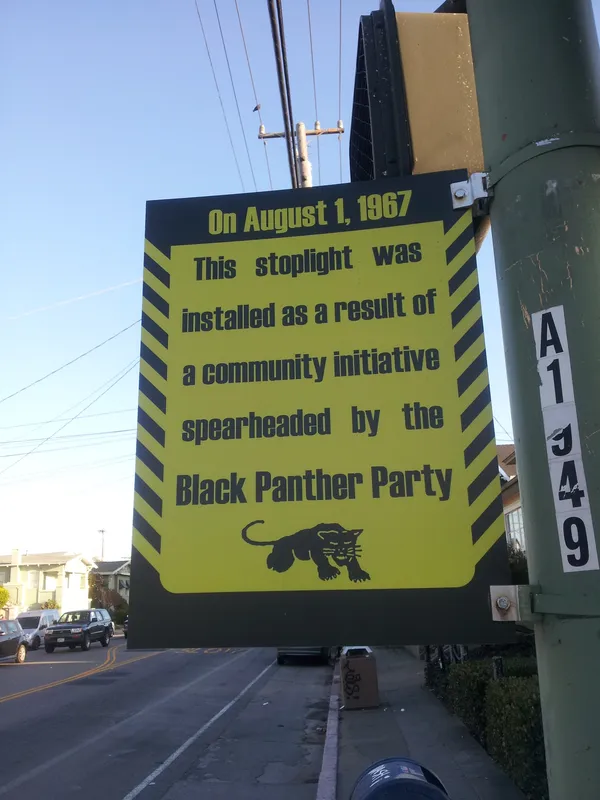
A growing slate of guided tours is bringing visitors to pivotal Black Panther Party locations in Oakland
Walking and bus tours centered on the Black Panther Party’s Oakland origins are drawing renewed attention to the city’s civil rights-era geography, from downtown corridors to West Oakland landmarks. Several tour offerings now operate alongside museum programming and other public history projects, reflecting a broader effort to document local movement history through places where organizing, community programs, and conflict unfolded.
How the tours are structured, and what organizers say they aim to do
One set of tours is tied to the Black Panther Party Museum, located at 1427 Broadway, which offers both guided museum experiences and an off-site “Historic Legacy Tour of Oakland” conducted as a bus tour requiring participants to provide transportation with a seat for the guide. The museum’s published schedule lists public hours on Wednesdays through Saturdays and describes its programming as focused on the Party’s history, social programs, and political legacy in Oakland.
Separately, a “Black Panther Party Legacy City Tour” is marketed as a walking tour that begins at Oakland City Center and is described as being hosted by Black Panther alumni, with tour dates contingent on minimum attendance. Event listings for a “Legacy Educational Walk & Talk” indicate multiple Saturday dates in March, April, and May 2026, using Downtown Oakland as a meeting area.
- Tour formats advertised locally include museum-based interpretation, a downtown walking route, and a bus-based landmark circuit.
- Scheduling varies: some offerings are listed as recurring, while others depend on confirmed group size.
Context: Oakland landmarks, neighborhood history, and commemoration sites
The tours are part of a wider ecosystem of place-based storytelling in Oakland. In West Oakland, the community-led Black Liberation Walking Tour documents more than a century of Black history and cultural spaces in the Hoover-Foster neighborhood through oral histories and mapped stops. DeFremery Park—also known as Lil’ Bobby Hutton Park—remains a prominent gathering place for public events that connect art, community wellness, and political education to the Panthers’ historical presence in the area.
What is being emphasized—and what remains contested
Tour descriptions commonly stress educational goals, firsthand narration by people connected to the era, and clarification of public misconceptions about what the Black Panther Party did in Oakland. They also highlight the Party’s “survival programs” and community services as a central interpretive frame. At the same time, the public history of the Panthers continues to involve disputes over emphasis—how to weigh armed self-defense and policing of police against community programs, how to represent state surveillance and repression, and how to address internal conflicts and outcomes across the Party’s lifespan.
Public history initiatives built around movement landmarks often function both as education and as a way communities negotiate how history is remembered in the present.
Related events in 2026 link health equity themes to historic sites
A separate citywide event, the Oakland Freedom Run, is scheduled for Feb. 28, 2026 at Raimondi Park in West Oakland. Organizers describe it as a 5K run/walk and community wellness festival that routes participants past historic Black Panther Party landmarks and pairs the course with on-site services and resources.
Together, the tours and adjacent programming point to a continuing effort to anchor Oakland’s movement history in the built environment—through guided routes, curated exhibits, and public events that connect historic sites to contemporary civic life.