Oakland speed camera data shows where speeding is highest as warnings shift to tickets in March
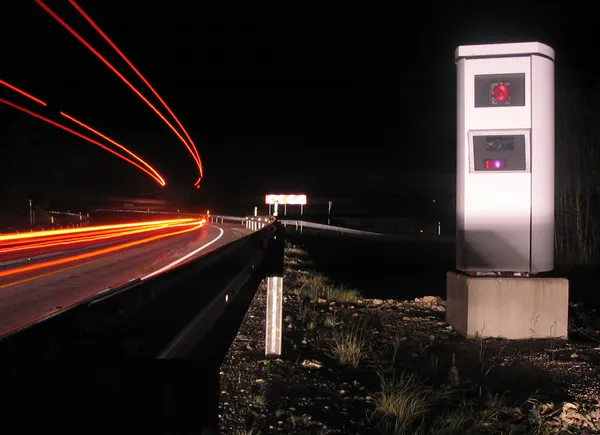
Speed cameras begin documenting the city’s most frequent speeding corridors
Oakland’s automated speed enforcement program has entered a pivotal phase: the city’s 18 speed safety cameras began issuing warning notices on January 14, 2026, and are scheduled to begin issuing citations in mid-March 2026. In the first month of operation, the system generated 70,000 warning notices, offering an early look at how widespread speeding remains on major streets targeted for enforcement.
The cameras were installed on street segments selected through a safety-driven screening process focused on the city’s High-Injury Network—roadways where severe and fatal crashes are concentrated. The locations also reflect speed survey work that identified corridors with consistently elevated travel speeds and high volumes of drivers exceeding posted limits.
Where speed surveys show the most intense speeding
Pre-installation speed survey findings underscore why several corridors were prioritized. In one West Oakland segment—7th Street between Adeline and Linden—an 85th-percentile speed of 39 mph was recorded in a 30 mph zone, with an estimated 1,760 daily vehicles traveling more than 10 mph over the limit (about 14.6% of daily traffic measured). A nearby segment on West Grand Avenue between Chestnut and Linden showed similar conditions: an 85th-percentile speed of 39 mph in a 30 mph zone, with an estimated 1,538 daily vehicles exceeding the limit by more than 10 mph (about 11.7%).
Other surveyed corridors showed lower but still notable rates of higher-end speeding. On Martin Luther King Jr. Way between 42nd and 43rd streets, the 85th-percentile speed was measured at 37 mph in a 30 mph zone, with an estimated 540 daily vehicles more than 10 mph over the limit (about 7.43%). On Claremont Avenue between Hillegass and College, the 85th-percentile speed was also measured at 37 mph in a 30 mph zone, with an estimated 636 daily vehicles exceeding the limit by more than 10 mph (about 5.8%).
Warnings began January 14, 2026; ticketing is scheduled to begin in mid-March 2026.
All 18 camera corridors now active for warnings
Oakland’s camera corridors span multiple parts of the city, with posted limits ranging from 20 to 40 mph. The active segments are:
- Martin Luther King Jr. Way (42nd to 43rd)
- Claremont Avenue (Hillegass to College)
- Foothill Boulevard (Irving to 24th Avenue)
- Foothill Boulevard (19th to 20th Avenue)
- 7th Street (Adeline to Linden)
- West Grand Avenue (Chestnut to Linden)
- Broadway (26th to 27th)
- San Pablo Avenue (Athens to Sycamore)
- 7th Street (Broadway to Franklin)
- MacArthur Boulevard (Green Acre to Enos)
- Fruitvale Avenue (Galindo to Logan)
- International Boulevard (40th to 41st Avenue)
- Hegenberger Road (Spencer to Hawley)
- 73rd Avenue (Fresno to Krause)
- Bancroft Avenue (86th to Auseon)
- 98th Avenue (Blake to Gould)
- 98th Avenue (Cherry to Birch)
- Bancroft Avenue (61st to 62nd)
How enforcement and penalties are structured
Under state-authorized rules governing the pilot, citations begin at 11 mph over the posted limit. The base fine schedule is $50 for 11–15 mph over, $100 for 16–25 mph over, and $200 for 26 mph or more over. A separate $500 penalty applies for vehicles recorded at 100 mph or more. The program also includes discounted fine tiers based on eligibility categories and a 60-day warning period before citations begin.
City policy limits the type and retention of collected images: still photos are used rather than video, images are intended to capture the rear license plate rather than the driver, and retention periods are limited depending on whether a violation is issued.
With ticketing slated to begin in mid-March, the warning-period totals and earlier speed survey data provide a baseline for evaluating whether automated enforcement changes driving behavior on Oakland’s most injury-prone streets.