Oakland Police Declines to Release Doug Martin Body-Camera Video, Citing Ongoing Investigations and Privacy Exemptions
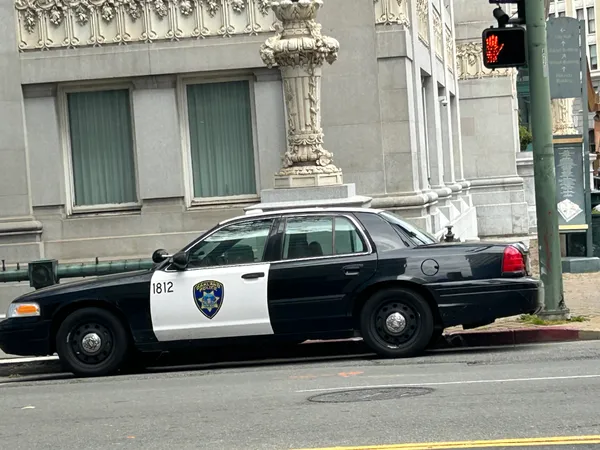
What Oakland police have disclosed so far
The Oakland Police Department has declined to release body-worn camera video connected to the Oct. 18, 2025 detention and death of former NFL running back Doug Martin, an Oakland native who played for the Tampa Bay Buccaneers and later the Oakland Raiders. Oakland police have said officers responded in the early morning to a reported break-in at a residence in the East Oakland hills, where Martin was taken into custody after what the department described as a “brief struggle.”
Police said Martin then experienced a medical emergency and became unresponsive. Paramedics provided medical aid and transported him to a hospital, where he was pronounced dead. Martin was 36. As of the latest public updates, a cause of death has not been released, and an autopsy was pending through the Alameda County Coroner’s Office.
Why the department says video will not be released
In a written response to a public records request, the department argued that Martin’s death did not occur during a “critical incident” under California’s transparency framework for certain police recordings. Acting Police Chief James Beere determined the materials could be withheld under the California Public Records Act’s public-interest balancing test and because the matter is under review by the city’s civilian oversight system.
In its response, the department said releasing video and audio at this stage could compromise privacy interests and interfere with an ongoing investigation. The decision means the public will not see the footage on a set timetable typically associated with critical-incident releases.
Parallel investigations and standard post-incident procedures
Multiple investigations were opened following the death. Oakland police have said the officers involved were placed on paid administrative leave, a standard procedure in many in-custody death cases while reviews proceed. The incident is under review by Oakland police investigative units and internal affairs, as well as external entities that include the Alameda County District Attorney’s Office and Oakland’s Community Police Review Agency.
Family statements and unresolved questions
Martin’s family has publicly described him as having struggled with mental health challenges and said they had sought help the night of the incident. The family said Martin left his home while disoriented and entered a nearby residence before officers took him into custody.
Key facts remain unresolved: the precise sequence of actions during the detention, the duration and nature of the physical struggle described by police, what medical distress occurred on scene, and whether toxicology or other forensic findings contributed to the death.
What to watch next
Release of the coroner’s final cause-of-death findings, including any toxicology results.
Findings or public reports from oversight and law-enforcement investigations.
Any change in the department’s position on whether the recordings qualify for release under California law.
Until those processes conclude, the public record is largely limited to the department’s summary statements, the family’s account of Martin’s circumstances that night, and the outcome that he died after becoming unresponsive in custody.