Oakland parents fund fans and makeshift cooling as classrooms overheat amid limited campus air conditioning
Families step in as heat disrupts learning
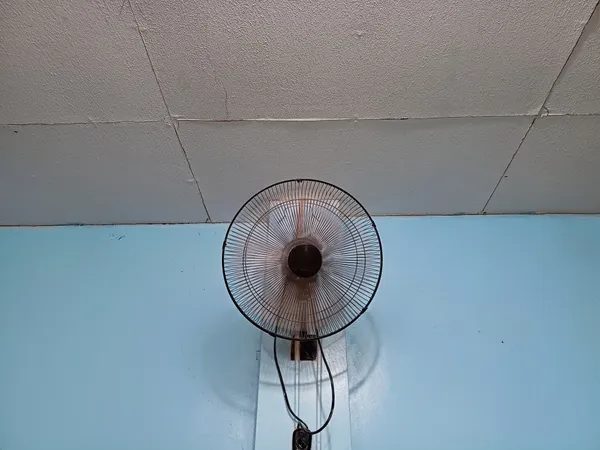
As warm-weather days arrive earlier and linger longer, some Oakland families are taking classroom cooling into their own hands—buying box fans, tower fans, reflective window coverings, and other low-cost items to reduce indoor heat where permanent systems are limited or absent. The efforts have expanded through parent groups and school-site fundraising as teachers and students report that high indoor temperatures can make it difficult to concentrate, maintain routines, and safely conduct a full school day.
Cooling initiatives vary by campus and classroom. In some cases, caregivers coordinate purchases for a single room; in others, school communities organize broader drives aimed at outfitting multiple classrooms. The patchwork response reflects differences in building age, sun exposure, electrical capacity, and the availability of shaded outdoor space—factors that can sharply affect temperatures inside instructional areas.
What districts are required to do—and what remains unregulated
California’s K–12 school facilities rules do not set a statewide maximum classroom temperature and do not require air conditioning in classrooms. That leaves districts balancing student comfort and safety with building constraints, utility costs, and long timelines for major construction.
Separate workplace heat standards adopted for indoor places of employment establish measures when indoor temperatures reach certain thresholds. In schools, that can influence how districts plan staff protections, but it does not automatically translate into comprehensive classroom cooling upgrades for students.
Local capital work is underway, but it is not uniform across campuses
Oakland Unified has pursued building projects that can reduce overheating by improving windows, ventilation, and building envelopes. One recent campus project at West Oakland Middle School replaced or upgraded building elements linked to glare and overheating and was funded through the district’s Measure Y bond program, approved by voters in 2020 to finance facility repairs and upgrades.
Districtwide, the practical challenge is scale. Oakland Unified operates many aging buildings with varying retrofit needs, and heat mitigation can require electrical upgrades, mechanical systems, and building improvements that cannot be installed quickly in every room.
Why DIY cooling has become common—and its limits
Parents and educators describe DIY strategies as a near-term bridge: fans to move air, shades to limit solar gain, and classroom routines that shift strenuous activities away from the hottest times of day. Some schools also emphasize hydration breaks and access to cooler indoor spaces when available.
But portable devices have constraints. Fans do not lower air temperature and may offer limited relief during extreme heat. Portable air conditioners can require windows that accommodate venting and electrical circuits that can handle the load. Noise can interfere with instruction, and equipment purchased privately can raise questions about maintenance responsibility and equitable access across schools.
Common short-term steps include additional fans, window shading, and adjusted schedules on hotter days.
Longer-term fixes typically involve insulation, window upgrades, ventilation improvements, and campus shade expansion.
Equity concerns emerge when some schools can fundraise quickly while others cannot.
In Oakland, the immediate reality is a mix of site-by-site coping measures alongside capital projects that move more slowly than the heat.
What happens next
With heat events increasingly affecting instruction time, the central policy questions for Oakland schools remain consistent: how to prioritize investments across campuses, how to coordinate standards for hot-day operations, and how to ensure that classroom conditions do not depend on a school community’s fundraising capacity. For now, families continue to fill gaps where they can—while broader infrastructure solutions work through budgets, design, and construction timelines.