Oakland Airport Traffic Keeps Falling as Airlines Cut Service and Bay Area Travel Patterns Shift
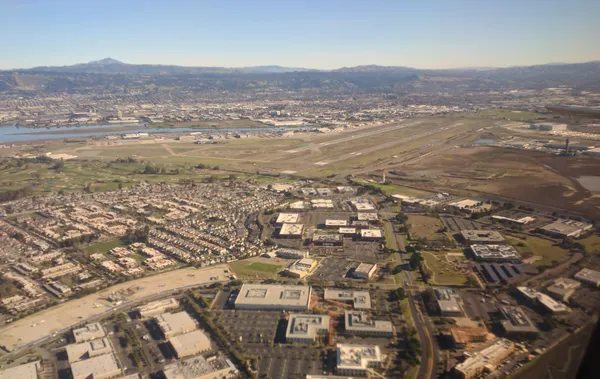
A regional airport faces weakening demand, fewer flights, and a branding dispute that has not changed fundamentals
Oakland’s main commercial airport has struggled to regain momentum since the pandemic, and recent data points to a deeper challenge: passenger volumes have remained well below pre-2020 levels even as other major gateways in the region report stronger recoveries.
The airport served more than 10.8 million passengers in 2024, a total that remains materially below 2019 traffic. Month-to-month figures reported in 2025 showed continued year-over-year declines, including double-digit drops in some periods. That pattern has heightened scrutiny of why the airport’s slide has been difficult to arrest.
Airline network decisions are reshaping Oakland’s schedule
Air service at Oakland is highly sensitive to carrier strategy because a large share of seats is concentrated among a small number of airlines, particularly low-cost operators. When those airlines reduce flying, the airport can lose frequency, destinations, and fare competition quickly.
Spirit Airlines suspended service in Oakland as part of a broader pullback from multiple U.S. cities, removing a source of ultra-low-cost capacity from the East Bay market.
Southwest Airlines, historically the airport’s dominant passenger carrier, has acknowledged network adjustments that included reductions affecting Oakland in published schedules beginning in 2025.
For travelers, fewer nonstop options can shift demand to other Bay Area airports. That diversion can become self-reinforcing: lower demand makes it harder to justify restoring routes, while reduced route choices push more passengers away.
Branding controversy drew attention but did not add seats
In 2024, the Port of Oakland pursued a name change incorporating “San Francisco Bay,” arguing that clearer geographic positioning could improve visibility among travelers. The move triggered a legal dispute with San Francisco and subsequent court actions restricting how the airport could market the name during litigation.
Whatever the branding outcome, naming does not directly create new flights. Airline schedules, aircraft availability, route profitability, and network priorities are the primary determinants of seat supply—and therefore passenger volumes.
Structural shifts in Bay Area travel demand remain a headwind
Regional travel patterns have changed since 2020. Business travel has been slower to return nationally and in the Bay Area, a factor local airport officials have previously pointed to as affecting secondary airports more than global hubs. Oakland also competes in a three-airport system where travelers may prioritize international connectivity, airline loyalty programs, and route breadth—advantages typically strongest at the region’s largest airport.
Port planning documents and airport announcements describe ongoing efforts to improve the passenger experience and maintain long-term growth targets. In the short term, the airport’s trajectory is likely to depend on whether carriers add back capacity and whether the East Bay market can regain enough demand to sustain more nonstops at competitive fares.
Key constraint: passenger recovery depends less on signage and more on the number of seats airlines choose to fly.