Magnitude 4.2 earthquake swarm near San Ramon rattles Oakland area, prompts transit checks and safety reminders
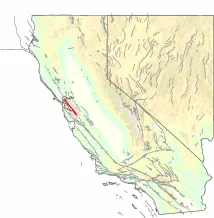
A cluster of early-morning quakes was felt across the East Bay, including Oakland
A magnitude 4.2 earthquake struck the eastern San Francisco Bay Area at 7:01 a.m. PST on Monday, February 2, 2026, as part of a larger earthquake swarm centered near San Ramon. The quake was located about 4 kilometers (roughly 3 miles) east-southeast of San Ramon at a depth of about 9 kilometers (around 6 miles), placing it in the Tri-Valley corridor where multiple faults converge.
The shaking was widely reported across the region, including Oakland and nearby East Bay communities, with reports also extending into parts of San Francisco and farther afield. Early accounts did not indicate widespread damage or injuries, though isolated minor impacts were reported in the epicentral area, such as items falling from store shelves.
What is known about the swarm and why it matters
The 4.2 event was the largest in a sequence of tremors that began around 6:30 a.m. and continued for more than an hour. In earthquake swarms, multiple quakes occur in a cluster without a single clear “mainshock–aftershock” pattern. Such sequences are a recognized feature of California seismicity and have occurred periodically in the Tri-Valley region.
The San Ramon area sits near the Calaveras Fault zone and related structures. In late 2025, the broader Tri-Valley region recorded an elevated number of small earthquakes, and the February 2 sequence continued that pattern of heightened, localized activity.
Transportation and infrastructure response
Following the morning shaking, Bay Area Rapid Transit issued a system advisory and reduced train speeds while standard inspections were conducted. Transit agencies commonly implement precautionary slowdowns and checks after notable shaking to confirm track and infrastructure integrity, even when no damage is immediately apparent.
How residents can interpret early reports
In the minutes after an earthquake, initial magnitude and location estimates can change as additional seismic data are processed and reviewed. Earthquake swarms can also generate multiple notifications in rapid succession, which may be perceived as one prolonged event. Residents who experienced shaking in Oakland may have felt different pulses as separate tremors moved through the region.
Time of strongest quake: 7:01 a.m. PST, February 2, 2026
Magnitude: 4.2 (moment magnitude)
Location: about 4 km ESE of San Ramon
Depth: about 9 km
Earthquake swarms can produce repeated shaking over a short period, even when individual quakes remain moderate in size.
Emergency officials continued to emphasize routine preparedness—securing heavy items, maintaining emergency supplies, and reviewing family communication plans—because the Bay Area remains seismically active even during periods without major earthquakes.