Former Oakland Airport-area In-N-Out property sells to East Bay restaurant group after crime-driven closure
A high-profile vacancy changes hands
The property that housed Oakland’s only In-N-Out Burger near Oakland International Airport has been sold to an East Bay restaurant company, marking the next step for a site that became a regional symbol of how public-safety concerns can affect retail corridors.
The In-N-Out at 8300 Oakport Street permanently shut down on March 24, 2024, after the company said repeated incidents—including car break-ins, property damage, theft and armed robberies—had affected customers and employees despite steps taken to improve safety. The closure was notable because the location was described as busy and financially successful, but ultimately was deemed incompatible with the company’s safety requirements.
Why this corridor matters to Oakland’s economy
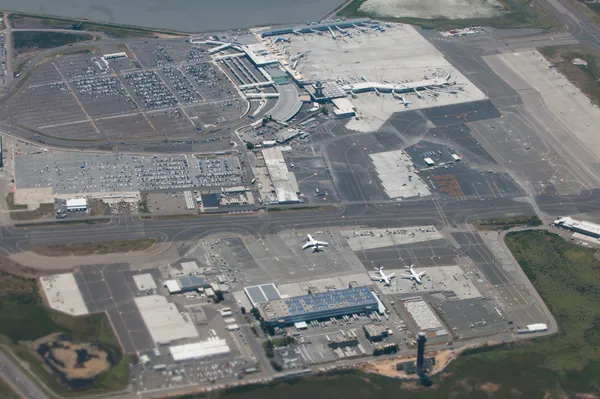
The restaurant sat in the Hegenberger Road–Oakport Street area, a gateway to the airport and a heavily trafficked commercial zone anchored by hotels, fueling stations, and auto-oriented retail. Businesses in and around this corridor have periodically reported losses tied to vehicle burglaries and other crimes, and several operators have cited security concerns when closing or altering operations.
The sale also lands amid broader pressure on East Bay restaurants from rising operating costs, changing post-pandemic customer patterns, and the added expense of security measures. For some operators, those security costs can include contracted guards, hardening storefronts, upgraded lighting and cameras, and changes to hours or staffing—expenses that can reshape margins in a low-profit industry.
What a new owner can—and cannot—signal
A property sale does not, on its own, resolve the underlying issues that contributed to a prior tenant’s exit. However, it does suggest a market judgment that the location remains viable for food service, drive-thru operations, or another commercial use—particularly given the site’s established vehicle access, visibility, and proximity to freeway connections and airport traffic.
Key near-term questions include what concept the buyer intends to open, whether the existing building and drive-thru infrastructure will be reused or redeveloped, and what security and operational changes will be built into any reopening plan. Those choices typically affect permitting timelines, construction costs, hiring, and whether the new business targets travelers, local residents, or both.
What to watch next
- Any permit filings that indicate renovation, demolition, or a change of use for the property.
- Whether the buyer announces a tenant or plans to operate the restaurant directly.
- How the site is staffed and secured, including hours of operation and on-site safety measures.
- Whether nearby businesses report changes in customer activity as the corridor adjusts to a new anchor tenant.
With a prominent drive-thru location now under new ownership, the next chapter for Oakport Street will be defined by what replaces a widely known brand—and whether the area can support consistent, safe daily operations for customers and workers.