Federal prosecutors say Sheng Thao corruption case rests on extensive records and alleged pay-to-play promises
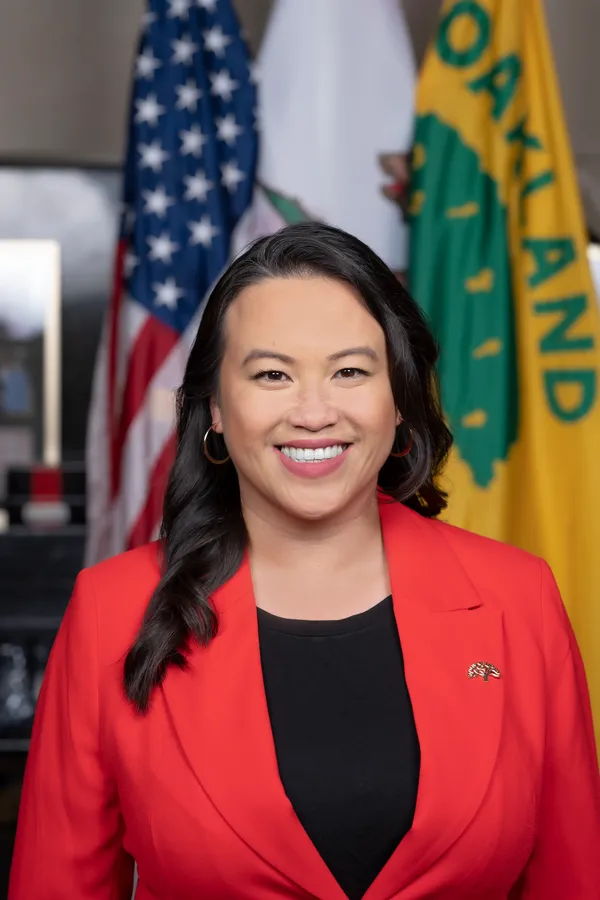
Case centers on alleged benefits tied to contracts, appointments, and a proposed housing purchase
Federal prosecutors are pressing forward with a public-corruption case against former Oakland Mayor Sheng Thao, arguing the investigation produced substantial evidence supporting allegations of a pay-to-play scheme involving city decisions, campaign support, and personal financial benefits.
Thao, her longtime partner Andre Jones, and businessmen David Trung Duong and Andy Hung Duong were indicted in an eight-count federal case filed Jan. 9, 2025, and unsealed Jan. 17, 2025. All defendants are presumed innocent unless proven guilty beyond a reasonable doubt. The indictment alleges Thao agreed to take official actions benefiting the Duongs in exchange for political and financial benefits provided to Thao and Jones.
What prosecutors allege was exchanged
The indictment describes three main categories of alleged official action Thao promised or pursued: an extension of Oakland’s recycling contract with the Duongs’ company; assistance with appointments of city officials favored by the Duongs; and efforts connected to a proposed city purchase of housing units from a modular housing business linked to the Duongs.
Campaign-related support: The indictment alleges the Duongs funded a $75,000 negative mailer effort during the 2022 Oakland mayoral race.
Payments routed through Jones: Prosecutors allege Jones received $95,000 through a “no-show” arrangement, with discussions involving additional payments. The government has argued that Thao benefited financially because Jones increased payments for rent and shared household bills after the alleged payments began.
Post-election steps: The indictment alleges that after taking office in January 2023, Thao used her influence to support the appointment of a high-level city official and directed staff engagement with the housing venture, actions prosecutors characterize as consistent with the alleged corrupt agreement.
How prosecutors say the case is supported
In court proceedings after the indictment, federal prosecutors indicated the investigation generated a large volume of materials, including financial and communications evidence. Prosecutors have also alleged efforts to conceal the scheme, including structuring payments to avoid directly linking funds to Thao, creating false invoices, and failing to disclose benefits on California Form 700 filings.
Defense position and next steps
Defense attorneys for Thao and the other defendants have denied wrongdoing and signaled they will challenge both the government’s narrative and the credibility of key participants described in charging documents. Court proceedings are expected to focus on the admissibility and interpretation of communications, financial records, and testimony underlying the alleged quid pro quo.
An indictment is an allegation, not proof; the defendants’ guilt or innocence will be determined through federal court proceedings.