Deutsche Bank takes three downtown Oakland office towers after deed-in-lieu foreclosure from Starwood Capital
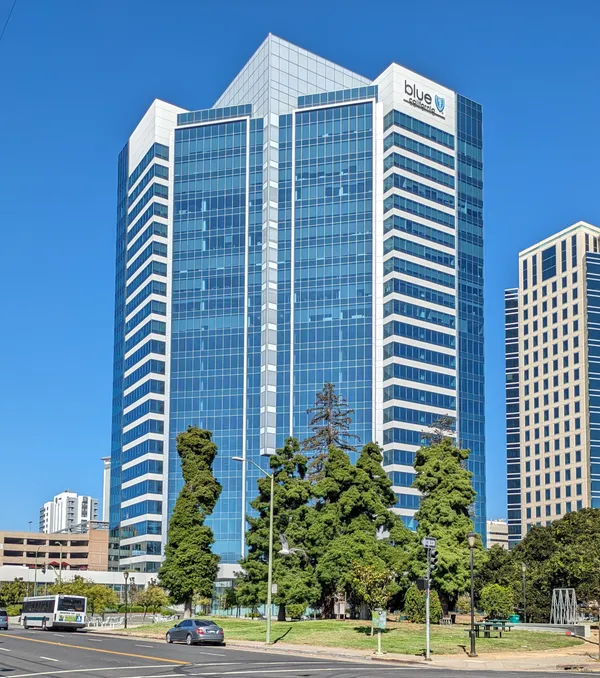
Three large downtown buildings change hands through a lender takeover
Three prominent office towers in downtown Oakland have been taken over by a Deutsche Bank affiliate through a deed-in-lieu of foreclosure, a transaction that transfers ownership to the lender without a prolonged foreclosure process. The properties are located at 2101 Webster Street, 2100 Franklin Street and 1901 Harrison Street.
The buildings total roughly 975,000 square feet and include a 20-story tower at 2101 Webster Street (about 473,000 square feet), a 10-story building at 2100 Franklin Street (about 217,000 square feet) and a 17-story tower at 1901 Harrison Street (about 285,000 square feet). The takeover follows a loan default tied to the portfolio previously controlled by Starwood Capital, a national real estate investor.
Debt and ownership timeline
Starwood acquired the three-building portfolio in 2019 for about $494 million. Public-record reporting on the transaction at the time described a $364.5 million financing package provided by Deutsche Bank for the acquisition. More recent filings cited in coverage of the transfer indicate the unpaid debt tied to the portfolio had grown to about $442.1 million at the time of the lender takeover.
Because the towers sit on separate parcels, the lender has flexibility to market them as a portfolio or pursue individual dispositions. Deed-in-lieu transactions have become more common across office markets as owners and lenders attempt to resolve distressed loans without lengthy court proceedings and property-management uncertainty.
Market context: vacancy and pricing pressure
The Oakland office market has faced sustained vacancy and negative net absorption in the post-pandemic era, weighing on building revenues and refinancing prospects. Major brokerage research tracking Oakland conditions shows vacancy remaining elevated through 2024 and 2025, alongside continued tenant downsizing and lease restructuring.
Market indicators for Oakland show overall vacancy in the mid-20% range by late 2025 and negative net absorption, reflecting more space becoming vacant than being leased.
Average asking rents have softened compared with pre-pandemic levels, while landlord concessions have increased as owners compete for a smaller pool of office demand.
What comes next for the towers
The lender takeover places a sizable block of downtown inventory under bank control at a time when office sales volumes remain limited and pricing has been volatile. Potential next steps include remarketing the buildings, restructuring operations to stabilize occupancy, or repositioning strategies that could involve capital improvements and tenant incentives.
For downtown Oakland, the transaction is a high-profile example of how loan maturities and weakened operating performance can shift ownership from investors to lenders.
Any future sale process will likely be influenced by interest-rate conditions, tenant demand for centrally located space, and the pace of broader downtown economic recovery.