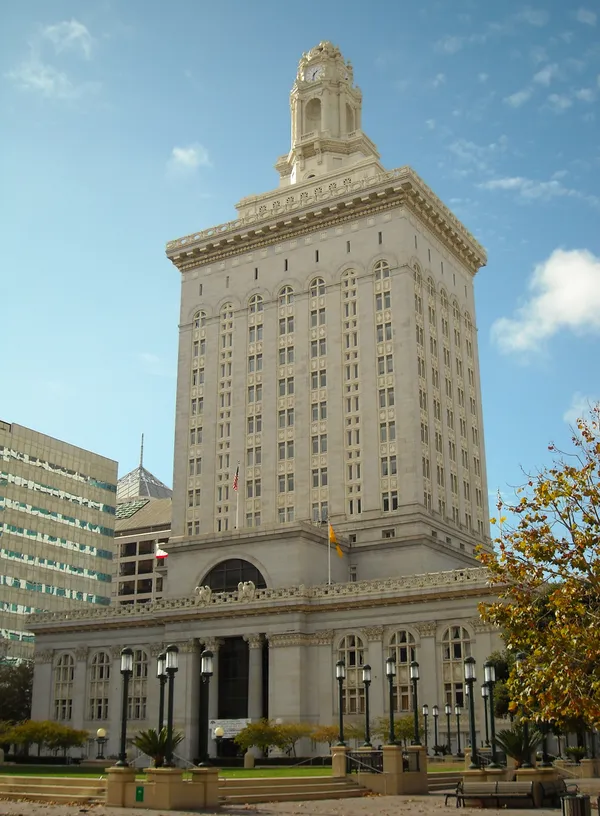
Alameda County awards $50 million in Measure W funds to advance 10 affordable housing projects
First major Measure W housing awards target permanent affordability and homelessness-focused units
Alameda County has approved $50 million in Measure W “Home Together” funding for 10 multifamily housing developments expected to deliver more than 900 permanently affordable homes countywide, including roughly 346 homes designated for people experiencing homelessness. The awards were made through the county’s Multifamily Homelessness Solutions program, a funding round designed to help projects move forward on construction timelines while leveraging other public financing sources.
Measure W is a 10-year, half-cent countywide sales tax approved by voters in November 2020. Revenue collection began in July 2021 but was held in escrow during litigation. Following final court action in April 2025 upholding the measure, the county moved to implement an allocation framework that directs 80% of Measure W revenue to homelessness-related investments through the Home Together Fund, with the remaining share supporting other county services.
Where the projects are planned
The funded developments are distributed across Alameda County, with a concentration in Oakland. County officials identified project readiness and the ability to pair local dollars with state and federal sources as key selection factors.
- Oakland (five projects): Liberation Park; Brighter Bancroft Senior Homes; 500 Lake Park; 3135 San Pablo; East 12th Circle.
- Berkeley (two projects): Ephesian Legacy Court; People’s Park Supportive.
- Alameda (one project): 1247 McKay.
- Livermore (one project): Downtown Livermore.
- Newark (one project): Thornton Avenue.
Funding structure and timeline expectations
The awards combine capital support and operating subsidies intended to secure and maintain homelessness-designated units within each project. The county’s request-for-proposals materials for this program emphasize “shovel-ready” developments and a per-unit subsidy cap. County leaders have said they expect funded developments to advance within the coming months, reflecting the county’s intent to deploy Measure W revenue toward near-term housing production rather than longer-range planning work.
The measure’s housing investments also sit within a broader policy structure. Alameda County’s Home Together strategy—adopted in 2022 by county and regional partners—sets goals for expanding housing and reducing disparities in homelessness outcomes. Separate county materials also indicate that starting in 2026, a defined share of Measure W-related housing investments must support interventions for people experiencing homelessness who have severe behavioral health needs, with a portion prioritized for chronically homeless residents.
How Measure W interacts with other housing financing
Affordable housing projects in Alameda County typically require layered financing, including competitive state programs and federal tax credits. Local dollars can be decisive in making projects financially feasible and in strengthening applications for state-administered Low-Income Housing Tax Credits and bond financing. In Oakland, the city’s housing department has separately awarded local capital to a pipeline of affordable developments and has indicated that some projects are pursuing county Measure W funds alongside state funding applications.
Measure W funds were structured to move quickly into developments positioned to start construction while also supporting long-term affordability commitments.
The county has indicated that if projects do not secure required complementary funding within set timeframes, awarded dollars may be subject to reallocation—an approach intended to keep Measure W resources moving toward projects able to proceed to construction.

Oakland Plans Community Celebration for Alysa Liu After Her 2026 Winter Olympics Gold Medals
Fatal car hauler incident in Eastpointe and second arrest made in Oakland University stabbing case