After January 19 Oakland Broadway fire, landlord seeks lease terminations as tenants dispute eviction effort
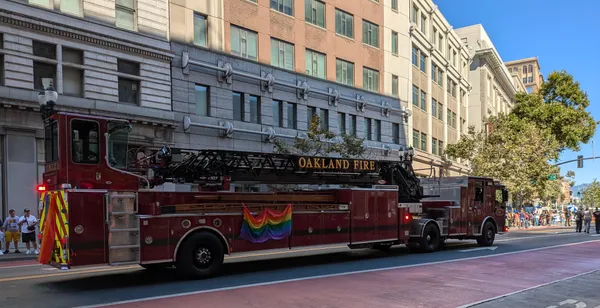
A downtown fire displaces residents and triggers a fast-moving housing dispute
A three-alarm fire on Monday, January 19, 2026 tore through a five-story mixed-use building in the 1700 block of Broadway in downtown Oakland, damaging residential units above street-level commercial space and forcing a rapid evacuation of more than 40 occupied apartments.
City officials said the blaze was brought under control at 8:40 a.m. after crews rescued residents from upper floors and cleared the building. Several people were treated for smoke inhalation, including residents transported to hospitals, and one firefighter was reported injured. The cause of the fire remained under investigation as of Tuesday, January 20.
Building conditions and tenant notices become central issues
In the immediate aftermath, residents reported receiving written notices stating that their leases had been terminated. The building’s essential services—including power and water—were reported disrupted following the fire damage, and the property was red-tagged, barring reentry except under limited conditions.
The ownership entity tied to the property is 19th and Broadway Associates, which public records link to Oakland landlord Ted Dang. Dang declined to comment when contacted by phone in reporting published Monday.
City response focuses on shelter and legal support
Oakland opened a temporary shelter at Willie Keyes Recreation Center on Union Street and said city staff would provide around-the-clock support for displaced residents. The Red Cross was on scene assisting with immediate needs such as clothing and supplies.
Mayor Barbara Lee’s office said the city would also connect residents with legal services so tenants can better understand their rights and options following the fire and the landlord’s lease-termination notices.
What “eviction” may mean after a disaster
In California, post-disaster displacement can place tenants and landlords in a legally complex situation shaped by building safety determinations, habitability standards, and the terms of individual leases. A red-tag and loss of utilities can prevent residents from returning even when they remain financially responsible for housing costs elsewhere, while property owners may seek to end tenancies if units cannot legally be occupied.
The central questions typically include whether a unit is habitable, how long repairs are expected to take, what notices are required, and whether tenants are entitled to relocation support or the opportunity to return under the same rental terms once repairs are complete.
What happens next
Fire investigators are expected to continue examining the origin and spread of the January 19 blaze, as well as life-safety systems in the building.
Residents may pursue legal review of lease-termination notices and any attempt to remove tenants permanently, particularly if the dispute turns on repair timelines or rights to re-occupy.
City agencies will monitor the property’s safety status and the steps required before any residents can lawfully return.
For now, dozens of Oaklanders remain displaced, with the immediate housing emergency evolving into a broader conflict over tenancy rights after a major fire.